
Mattering at Work: The Missing Piece in the Burnout Conversation
May 01, 2026
Employees need to feel like they and their contributions truly matter
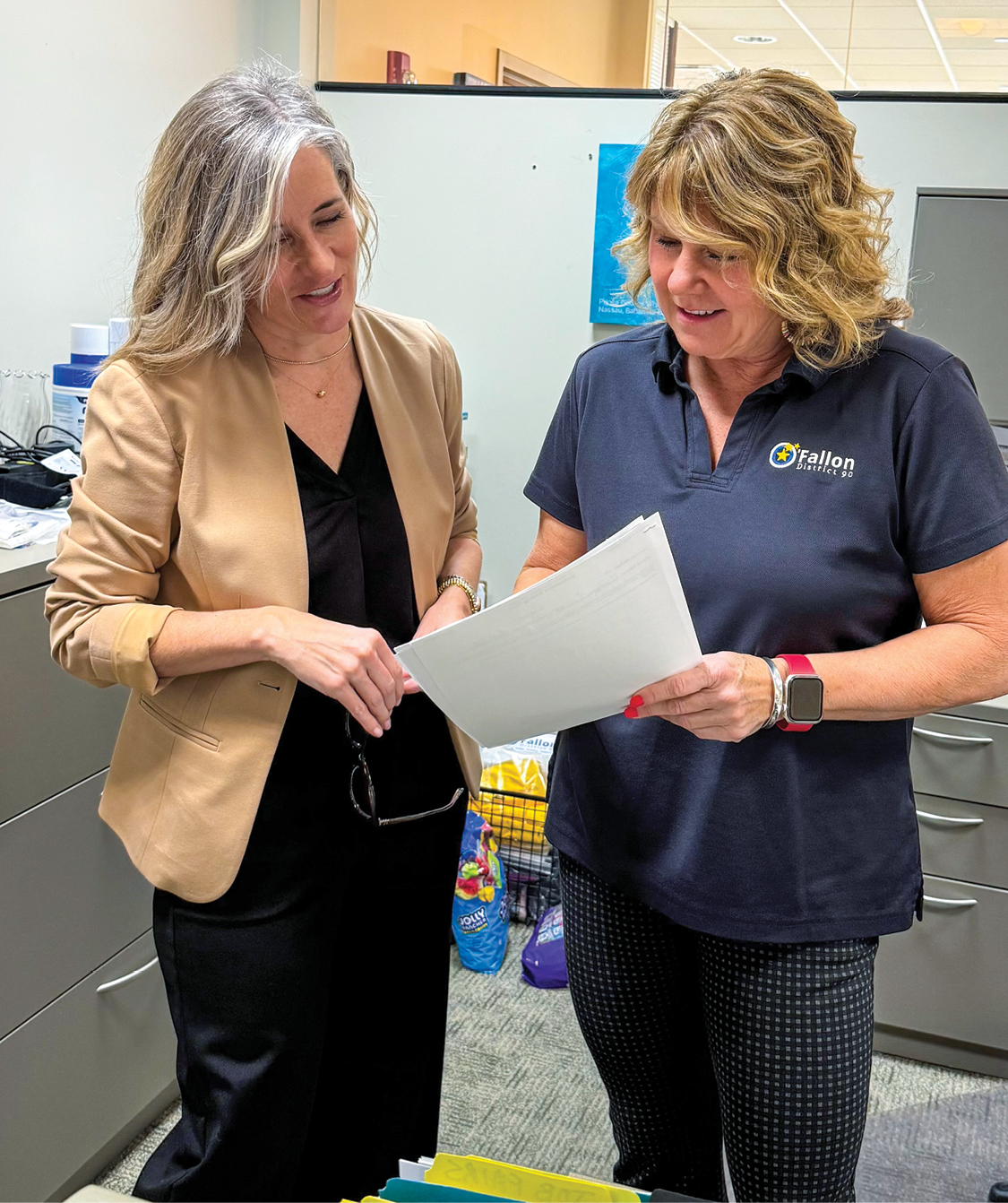
Imagine the custodian who arrives each evening after the lights have dimmed, cleaning classrooms, restocking supplies and ensuring that the building is healthy, safe and welcoming for the next day. If it weren’t for that custodian, learning would stall in the midst of chaos or unsanitary spaces.
Or consider the aide who works one-on-one with a student who struggles to focus, regulate emotions or communicate effectively. That aide’s compassion, creativity and presence allow the student to participate in learning — often against the odds. If it weren’t for the aide, a child might be lost in the system.
School districts invest energy into helping employees define their individual purpose, but we haven’t spent enough time asking: How do this employee’s unique skills matter to the organization? It’s not enough to acknowledge that the work matters. We also must make sure employees know that they matter and their unique strengths matter in that work.
It is common sense, but it is not common practice. According to a recent report from The Cigna Group, more than half of American workers feel lonely at work. Many report feeling invisible — unseen and unheard by the very teams they serve alongside. This isn’t merely a morale issue. It’s a risk factor for burnout, disengagement and turnover.
Key to the Solution
The conversation around burnout isn’t complete until we make mattering part of the solution. People don’t burn out just from doing too much. They burn out from believing they do not matter while doing it. When individuals don’t feel like they matter, they eventually stop showing up — physically, emotionally or both.
As leaders, we foster inclusion through logo apparel, recognize service with awards and send handwritten notes of appreciation. While well-intentioned, these efforts often fall short. Mattering goes beyond that. Mattering means knowing — without doubt — that your presence, your voice and your specific contributions have value in the organization. It means experiencing indisputable evidence of your significance.
This isn’t just about gratitude or recognition — it’s about identity and visibility. When people are treated like they matter, they act like they matter. When people know they matter, their work begins to matter more as well, supporting organizational success. 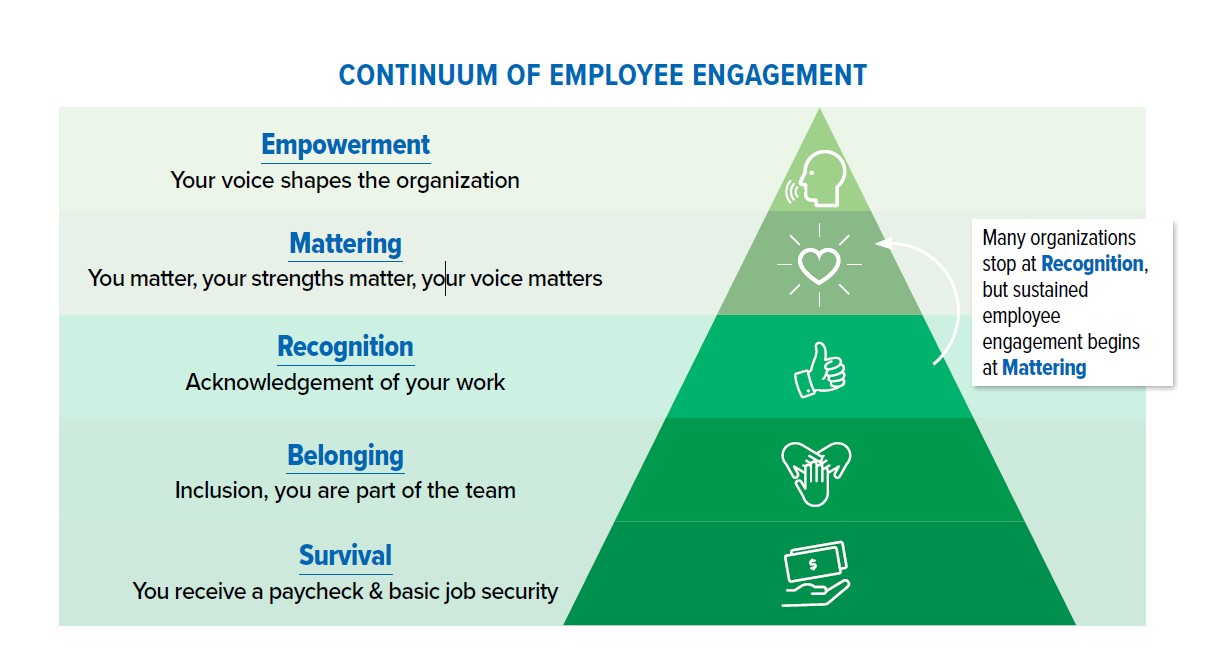
Focus on the Why
Why don’t leaders affirm each person’s unique impact more consistently? What gets in the way? The reasons are painfully human: We are busy and distracted and often assume that a paycheck communicates value. We mistakenly believe that because we think someone is appreciated, they know they are appreciated. But the research says otherwise.
Organizational psychologist Zach Mercurio, author of The Power of Mattering: How Leaders Can Create a Culture of Significance, suggests that when mattering is assumed rather than demonstrated, employees quietly disengage. The absence of explicit signals of value creates a gap that recognition programs alone cannot close.
To close this “mattering gap,” employers must go beyond simply thanking employees for what they do. They must help each person understand why their presence, strengths and specific contributions are valued. This requires intention, reflecting not just on what someone does, but on what makes their contribution uniquely theirs.
One of the most powerful ways to show someone they matter is to genuinely listen to them — not to check a box or be polite, but to truly consider what they’re saying. Listen in such a way that what the other person says might change your mind. That level of respect says, “Your voice matters to our success.” It tells the employees they aren’t just heard, but that their perspective has the power to shape the organization.
Closing the Gap
Being seen and heard is only the beginning. Mattering is sustained by feeling needed, valued and capable of adding real worth to the organization and its mission. In a world that often glorifies independence, the truth is that people want to know they are needed. They want to know that if they didn’t show up, someone would notice — and care.
When people feel they matter, they engage more deeply, take healthy risks and contribute their best thinking. Here are several strategies to help employees feel they matter as individuals:

Listen to understand, not just respond. Give your full attention. Ask thoughtful follow-up questions. Be open to having your mind changed and point out how employee input influences decisions.
Know staff members beyond the role. Learn about their goals, strengths and even their lives outside of work — if they’re open to it. Acknowledge milestones that aren’t tied only to job performance, such as years in the district or notable community service.
Recognize unique contributions. Offer personalized praise that highlights their distinct strengths. Skip the generic “Great job” and highlight specific ways the employee’s skills made a difference. The power of this practice lies in its specificity, not merely the act itself. Personalized, handwritten notes provide a personal touch.
Give voice and choice. Invite them into decisions that affect their work. Provide autonomy. Show you trust their judgment. For example, when reviewing job descriptions or evaluation tool updates, seek input from those who do the work every day. Ask what resources they need in order to do their work most efficiently.
Speak their appreciation language. Some people love public praise. Others value a quiet thank you. Learn what makes each person feel seen. It may be a handwritten note, a shoutout in the staff newsletter or recognition in a social media post.
Support individual growth and advancement. Ask employees where they want to grow professionally and help them get there. Ask, “Where do you hope to be in five years? What skills or experiences would help prepare you for next-level opportunities?” Create pathways that align with their interests and strengths, such as online/virtual courses, in-district workshops and mentoring or leadership shadowing opportunities.
Protect psychological safety. Create space for vulnerability, allowing employees to take healthy risks and learn from mistakes and honest feedback. When people feel safe, they show up more fully. During difficult conversations, respond with curiosity — “Tell me more about what you are thinking” — and pause to actively listen.
Be present and approachable. Check in, not just about work but about the person. A small gesture — a remembered detail, a hallway chat, a sincere “How are you doing?” — carries real weight.
Employees feel they matter when leaders intentionally see them as people first and roles second. It’s not about grand gestures. It’s about meaningful, consistent, human connection.
True leadership is the quiet power of helping others rise — by noticing their strengths, celebrating their wins and reminding them: You matter here.
Carrie Hruby is superintendent of the O’Fallon School District in O’Fallon, Ill. She is the author of Making Personnel Personal: Human Resource Leadership for K–12 Schools (Bloomsbury, 2025).
Author
Advertisement
Advertisement



Advertisement
Advertisement