The Sting That Sparks Change
February 20, 2026
Author
Every February, schools across the country prepare for Black History Month with bulletin boards, book displays, spirit days, and assemblies. These gestures are often well intentioned. But they are not enough.
Because the truth is this: honoring Black history requires reckoning with Black reality, especially in education.
Here in Ferndale, we’ve taken bold steps over the years to address the disparities our students face. But we’re not exempt from the deep, systemic challenges that plague public education everywhere. Our commitment to equity is real, but so are the barriers we’re still working to dismantle. The work is ongoing. And it’s not easy. But it’s necessary.
Black History Month shouldn’t feel easy either. It should sting a little. Because when it stings, we’re finally touching something real.
Listening Without Filters
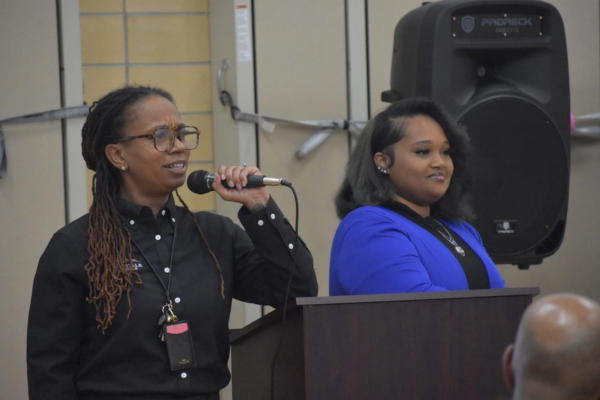
One way we stay connected to that reality in Ferndale is through direct student voice. Several times a year, the Board of Education and I meet with students across the district in small, intentional listening sessions.
These aren’t performances. They’re conversations. Honest, vulnerable, sometimes uncomfortable, and always necessary.
There are no scripts. No talking points. Students share what’s on their minds and hearts. They talk about curriculum, identity, belonging, power, and policy. And we listen.
These moments shape our leadership. They remind us not to guess or generalize. They challenge us to stay present with the experiences our students are actually having, not just the ones we hope they’re having.
If we’re serious about equity, we must be just as serious about listening. Not performative listening. Real, system shaping listening. That doesn’t happen in a carefully curated survey. It happens when we create space for truth, even when it’s hard to hear.
Representation Is Not the Finish Line
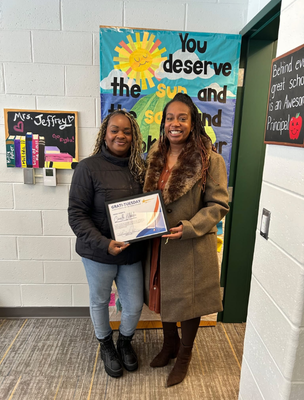
As the second African American Superintendent in Ferndale Public Schools history, I carry that truth with me every day. Representation matters. It signals to students what’s possible. But representation alone doesn’t transform systems. It doesn’t automatically shift outcomes. It doesn’t repair harm.
For decades, this district has worked to name and address the gaps that exist: achievement gaps, opportunity gaps, discipline disparities, and more. Naming the gaps was an essential start. But naming is not the same as changing.
Shifting outcomes means facing hard truths. It means reviewing data even when it disappoints. It means interrogating the pace of progress, not just applauding the attempt. It means asking what we’re willing to disrupt in order to get different results. And it means doing this work even when no one is cheering.
One Strategy: Don’t Wait for the Calendar
If you lead anywhere in education, classroom, boardroom, or central office, here’s one strategy that matters more than any assembly or spirit day:
- Don’t let February do all the work.
- Create protected space for student voice throughout the year.
- Ask for feedback without rushing to fix or defend.
- Reflect on how student perspectives shape your decisions, or how they don’t.
- And measure your impact not by how much you celebrate Black history, but by how much you change because of what you hear.
Final Thought
There’s no single right way to honor Black History Month. But there is a wrong way: turning it into a performance instead of a provocation.
If this month stirs something in you, don’t rush to silence it.
If it challenges your assumptions, let it.
Let it linger. Let it sting. Let it move you to action.
Because that’s where real leadership begins.