The Important Culture Behind Learning
December 26, 2025
Author

When most people picture a school, they naturally think of vibrant classrooms filled with students and the dedicated teachers who guide them.
That focus makes perfect sense—after all, without students there is no mission, and without teachers, learning cannot happen. Yet central office leaders know that a school district’s success extends far beyond the classroom. An equally vital culture operates behind the scenes in transportation, facilities, and nutrition—one that requires the same level of strategic attention, leadership development, and cultural stewardship as any instructional setting. The teams who drive buses, maintain buildings, and nourish students form the backbone of a vibrant and thriving district. Their cultures matter deeply, and their health directly influences the district’s ability to function.
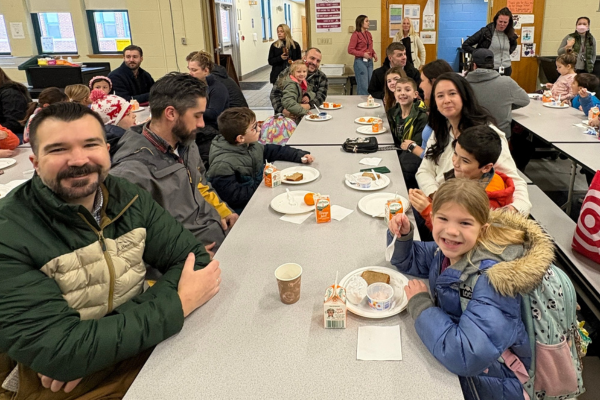
Consider the stakes: Would any educator attempt to hold class in a room that has dropped to 30 degrees because a boiler failed overnight? Could a school operate without serving breakfast or lunch to students who depend on those meals? Would the district open its doors if buses could not safely transport children? Of course not—and for good reason. These systems are not auxiliary conveniences; they are foundational conditions that determine whether teaching and learning can occur at all. When they stall, so does the entire district.
Behind these essential functions are individuals whose interactions shape students’ daily experiences as powerfully as any classroom moment. Bus drivers are often the first and last adults students encounter each day—setting the tone through warmth, consistency, and care. Nutrition teams provide meals that many students rely on, sometimes as their only dependable food source, making the human connection at the point of service just as important as the food itself. Facilities staff repair broken systems, respond to emergencies, and maintain safe, clean learning environments—ensuring that instruction continues uninterrupted.
Despite their critical roles, the cultures within these departments are often overlooked in district-level leadership conversations. When support-service cultures are neglected, the system falters—sometimes subtly, sometimes dramatically—but always with districtwide consequences.
Effective superintendents and central office leaders recognize that transportation, facilities, and nutrition teams require intentional leadership cultivation.
Effective superintendents and central office leaders recognize that transportation, facilities, and nutrition teams require intentional leadership cultivation. Strong program directors must be more than operational experts; they must be leaders who bring people together, build trust, articulate a vision, inspire pride, and engage staff in meaningful continuous improvement. If these skills are not present, it becomes the responsibility of district leadership to coach, support, and develop them. Program leaders should be held to the same expectations as building administrators: setting clear goals, communicating transparently, fostering positive culture, and engaging in regular reflection and growth.
To strengthen these behind-the-scenes cultures, central office leaders should:
- Integrate program leaders into the district leadership team: Their perspectives must inform districtwide decisions, and they must understand the realities of schools just as principals must understand the operations that support them.
- Publicly celebrate the impact of support staff: Recognition reinforces value, elevates pride, and helps the broader community understand the importance of these roles. Don’t just get donuts for bus drivers during driver appreciation week! Ride along on a bus route, sponsor breakfast for drivers at the schools, and post an article in the local paper highlighting them.
- Provide tailored professional development: Skill-building should include leadership development, customer service, communication, safety protocols, and opportunities for technical training. Leaders in these programs are often homegrown and may lack significant leadership experience. Provide mentors, and the TIME for these skills to be developed.
- Establish clear communication loops: Support staff should understand how their work aligns with district goals, student well-being, and community expectations. Make sure they are part of strategic planning and have specific goals and action steps to work towards to fulfill the full mission of the district.
- Model respect and visibility: Leaders should visit worksites, ride buses, join meal prep, walk facilities, and listen deeply—not symbolically, but to fully understand the daily challenges and strengths of each department. Perhaps you conduct site visits at your schools for instructional programs - why not include a site visit for school nutrition or transportation as well?
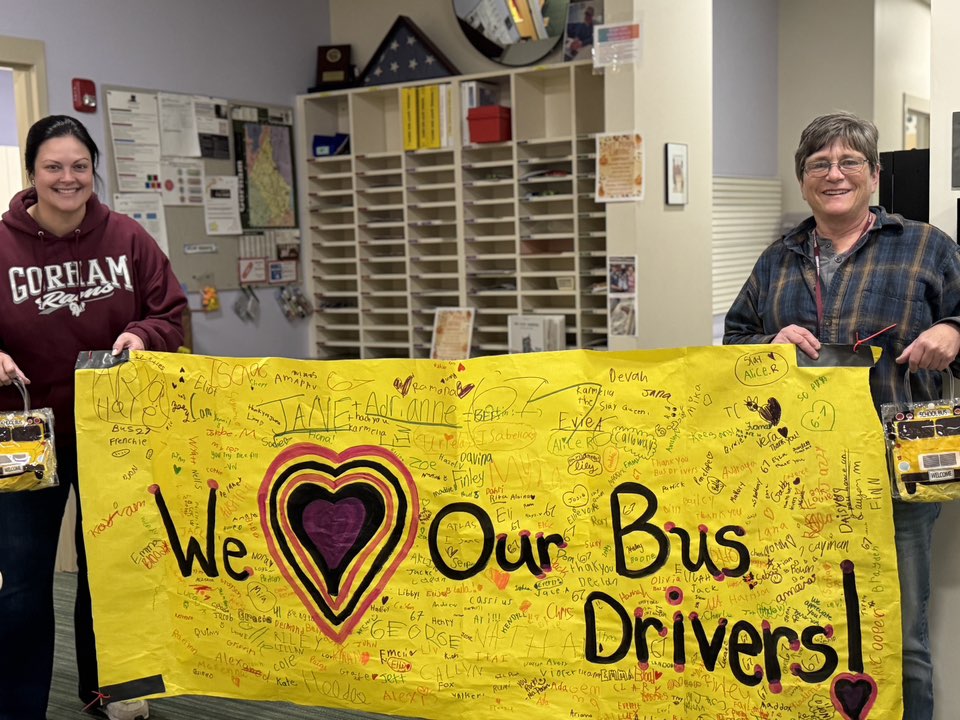
When central office leaders operate in these ways, they send a powerful message: every role in the district contributes to student success, and every employee deserves a supportive, aligned, and uplifting workplace culture.
In the end, great schools are not built by classrooms alone. They are sustained by the collective efforts of everyone who helps children learn, grow, travel safely, and feel cared for each day. By intentionally tending to the cultures of transportation, facilities, and nutrition teams, district leaders build stronger, more resilient systems—places where every adult feels valued and every student benefits from the strength of a unified, mission-driven organization.
Subscribe to AASA's Blogs
Subscribe via RSS feed below. Learn more about RSS feeds here.