The Civic Square Has Moved
October 21, 2026
Author
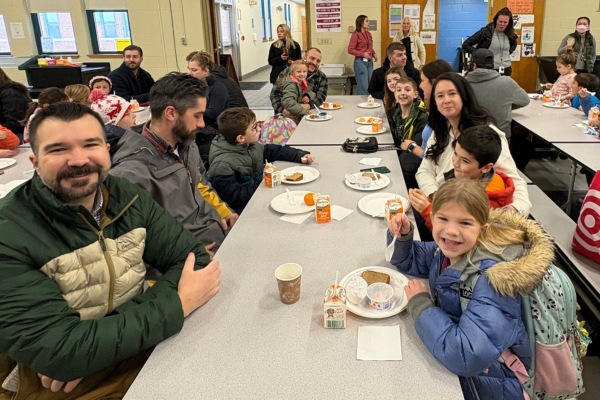
Civic leadership used to have a physical address. The board meeting on the second Tuesday of the month. The community forum in the school library. The public hearing in the auditorium, with rows of folding chairs and a sign-in sheet at the door. That is where the conversation about a district happened. That is where decisions were shaped. That is where superintendents showed up as civic leaders.

That civic square still exists. It just is not the only one anymore.
A significant portion of the civic conversation about your district now happens in a Facebook group you may not belong to. In comment threads you will never read all the way through. In Nextdoor exchanges that shape what your community believes about the school before you have had the chance to say anything at all.
I have watched a local budget vote unravel in a Facebook group in the two weeks before the polls opened. Not because the district had done anything wrong. Because a version of the story took hold in a space the district was not present in, and by the time anyone in leadership realized what had happened, the vote was already lost.
That is what civic leadership looks like now. Or rather, that is what the absence of civic leadership looks like now.
In my doctoral research on how social media influenced administrator decision-making during COVID, I documented four patterns in how leaders responded to the contested digital space. Almost every leader began the same way. Denial. A refusal to engage. An insistence that Facebook was unprofessional, that community complaints did not belong there, that the real conversation would still happen in the appropriate rooms. That posture did not hold. The information reached them anyway, filtered through informal networks of intermediaries they did not choose and could not fully vet. When denial failed, most leaders moved to reactive correction. They watched, they waited, and when a narrative went sideways, they tried to set the record straight. That was better than avoidance. But it was still a defensive posture, always a step behind the community they were trying to lead.
The leaders who adjusted most fully were the ones who moved from reacting to shaping. Not by dominating the conversation, which cannot be done. But by understanding that presence, transparency, and a consistent voice inside the contested space are civic tools now, in a way they were not fifteen years ago.
This is what I have come to believe civic leadership requires of a superintendent right now.
Civic leadership is the willingness to show up in those places, with the same voice, the same clarity, and the same care we bring to every other room we are in.
The civic square has expanded, and the expanded portion of it does not follow the norms we were trained in. There is no agenda. There is no order of business. The people speaking are not required to identify themselves, and the people listening are not required to have context. That is not a reason to disengage. It is a reason to lead with more intention, not less.
Civic leadership in this environment is not louder and it is not more performative. It is more deliberate.
It means building your district's presence in these spaces before you need it, because you cannot introduce yourself to a community for the first time in the middle of a crisis.
It means investing in the small, ordinary posts that build familiarity, so that when something hard happens, the community has a relationship with your voice already. It means being clear about who speaks for the district, and being consistent about how.
And it means recognizing that the parent who first meets you in a comment thread is a stakeholder in your work whether or not she ever walks into a board meeting.
The Promise of Public Education has always depended on the trust of the community it serves. That trust used to be built almost entirely in person. Today, it is also built in places we did not train for. Civic leadership is the willingness to show up in those places, with the same voice, the same clarity, and the same care we bring to every other room we are in.
The civic square has moved. The work of leading in it is ours.