Summer Learning Without Barriers: Building a Community of Support for Every Student
September 16, 2026
Author
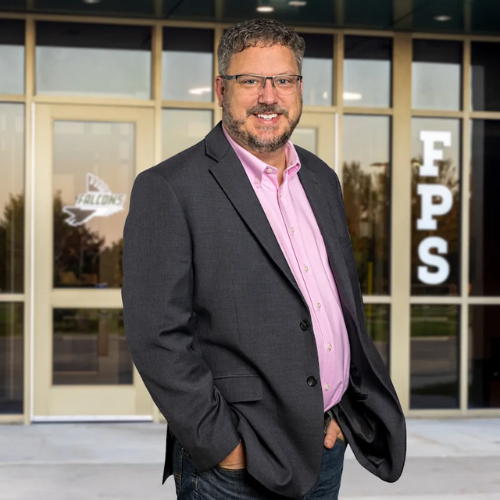
Summer STEAM is more than a summer program. It reflects Faribault Public Schools’ year-round commitment to ensuring students are connected, engaged, and growing, and that commitment is at the heart of our Community School strategy.
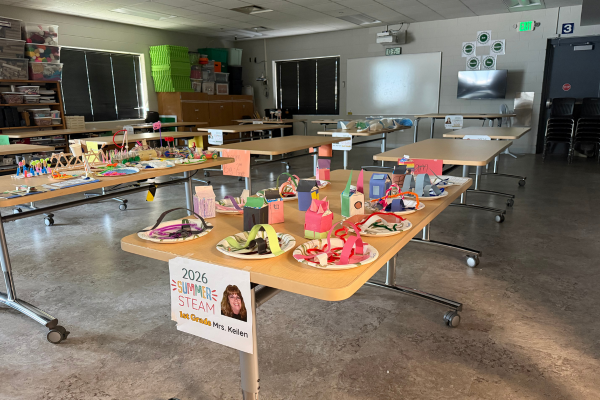
We know that meaningful learning does not happen in isolation. Students are more likely to learn and grow when they feel connected to their school, their peers, caring adults, their families, and their community. That means our responsibility extends beyond providing academic opportunities. It means looking at the barriers that can prevent students from participating and intentionally designing experiences that support the whole child.
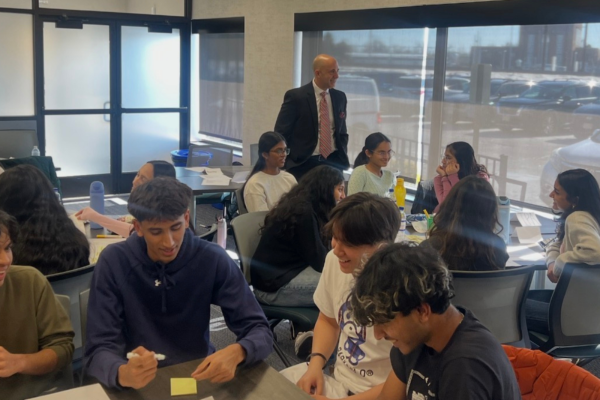
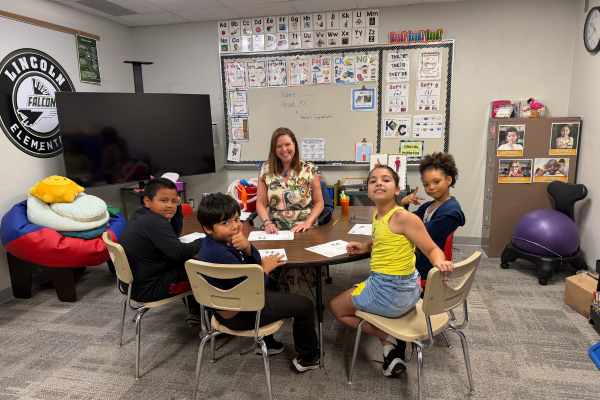
This summer, more than 600 students participated in our summer learning, enrichment, and service-learning programs. Academic enrichment remains an important part of the experience, with licensed teachers providing instruction throughout most of the school day. But students also participated in experiences designed to build skills, explore interests, and connect learning to experiences beyond the traditional classroom. Together, these components created a summer experience that supported students academically while also providing opportunities for connection, engagement, and personal growth.
Removing Barriers So Students Can Connect
One of the first questions we ask when planning summer learning is not simply, What do we want students to learn? We also ask, What could prevent a student from being here and fully participating?
Transportation and health needs are two significant barriers to participation. By providing transportation and partnering with local organizations to offer a variety of health services and dental care, we work to remove obstacles that might otherwise keep students from accessing summer opportunities. These supports help students arrive ready to participate and begin the school year healthy, connected, and prepared to succeed.
This is an important part of our Community School approach: access comes before engagement. If students cannot get to a program, do not have access to needed health services, or are facing barriers outside of school, the opportunity to learn is not truly accessible.
Creating Opportunities for Engagement
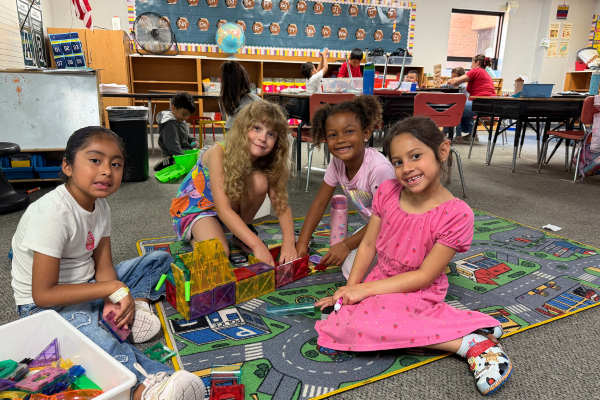
Once barriers are removed, the next step is creating experiences that make students want to participate and feel that they belong.
Our summer learning design intentionally goes beyond traditional academic instruction. Students have opportunities to participate in programming and specialized camps that allow them to explore interests, build skills, and experience success in different ways. These experiences can help students build confidence, strengthen relationships, and develop important skills while connecting with peers and caring adults.
This is where our focus on whole child development becomes especially important. We are not simply trying to prevent learning loss. We are creating opportunities for students to continue developing socially, emotionally, academically, and personally.
For district leaders considering how to strengthen their own summer programming, this distinction matters. Summer learning does not have to be an isolated academic intervention. It can be an extension of the work schools are already doing to help students develop relationships, discover interests, build confidence, and see themselves as capable learners.
Supporting Growth Through Purposeful Experiences
Our summer programming is designed with the belief that growth can look different for every student. For one student, growth may mean strengthening an academic skill. For another, it may mean trying something new, developing a relationship with a caring adult, building confidence, or discovering an interest that they did not know they had.
That is why enrichment experiences are such an important part of our summer design. Students have opportunities to engage in experiences outside traditional classroom instruction while continuing to develop skills and explore interests.
This approach reflects a larger year-round practice: we want students to have multiple ways to experience success. When students are given opportunities to connect their interests and strengths to learning, we create more pathways for engagement and growth.
We Cannot Do This Work Alone
Community partnerships are essential to making this approach possible. Strong summer learning programs require schools to recognize that they cannot, and should not, meet every student and family need on their own.
Organizations such as Three Rivers Community Action, HealthFinders Collaborative, and River Bend Nature Center help connect students and families with resources and experiences that strengthen the overall summer learning environment. Through these partnerships, we are able to address needs and create opportunities that no single organization could provide alone.
This is one of the most important lessons of our Community School work: partnership is not an add-on to the program; it is part of the design.
When schools intentionally bring community organizations, families, and other partners to the table, students gain access to a broader network of relationships, resources, and opportunities. Partnerships also help our team consider where we can strengthen access and programming. Since 2023, Faribault has partnered with the District Summer Learning Network, receiving coaching and participating in professional learning sessions with education leaders from across Minnesota and the country who are working to make sure that all students have access to high quality summer programs. This year we’ve worked with DSLN to identify new strategies to support students and families. This includes revising our summer PD agenda so staff have the tools they need, and focusing on peer-to-peer relationships and trust-building.
When schools intentionally bring community organizations, families, and other partners to the table, students gain access to a broader network of relationships, resources, and opportunities.
Using Data to Keep Improving
Creating a strong summer experience also requires us to listen to students and families and examine whether our approach is working.
We use tools such as the Survey of Academic Youth Outcomes (SAYO) and Making Meaning with Multiple Data Sets (M3 Huddle) to gather feedback, monitor student engagement, and identify opportunities for improvement. These practices help us make informed decisions about how well our programs are meeting the needs of students and families.
This continuous improvement mindset is another connection between summer programming and our year-round work. We do not see summer as a separate season with a separate set of goals. Instead, it is another opportunity to learn from students and families, strengthen partnerships, and improve the systems that support student success.
A Year-Round Commitment
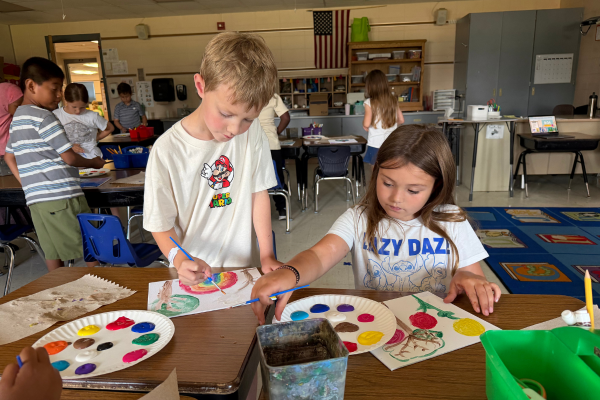
Summer learning programs are often viewed primarily as a way to prevent academic regression, and they certainly play an important role in supporting student achievement. But our experience has shown that the greatest impact comes when we look beyond academics and work together to support the whole child.
For Faribault Public Schools, summer learning is an extension of the same commitment that guides our work throughout the year: keep students connected, engaged, and growing.
That commitment influences the decisions we make, from providing transportation and connecting families with health services, to creating service-learning projects for students to earn additional graduation credit as well as building relationships and experiencing success in meaningful ways. It influences how we work with community partners and how we use data to listen, learn, and improve.
That is what we are working to create...a community of support that helps every student continue learning, building relationships, discovering strengths, and growing throughout the year.
The lesson we continue to learn is that supporting the whole child is not an initiative that begins when summer starts and ends when school resumes. It is a commitment that should guide how we design learning experiences throughout the entire year.
When we remove barriers, opportunities expand. When students feel connected, they are more likely to engage. When they are given meaningful opportunities to engage, they have more opportunities to grow.
That is what we are working to create: not simply a summer program, but a community of support that helps every student continue learning, building relationships, discovering strengths, and growing throughout the year.
Funding Acknowledgement
Faribault Public Schools’ summer learning programming is partially funded through multiple grants, including 21st Century Community Learning Centers grant from the Minnesota Department of Education using federal funding (ALN 84.287), a Full Service Community School Start-Up grant from the Minnesota Department of Education, a Full Service Community School Expansion grant from the Minnesota Department of Education, a Substance Use Prevention, Education, and Recovery Focus grant from the Minnesota Department of Health, and an Organizational Grant from the Southeastern Minnesota Arts Council.
The contents of this publication do not necessarily represent the policies of the Minnesota Department of Education, the U.S. Department of Education, or the Minnesota Department of Health, and you should not assume endorsement by the federal or state government.
Make the most of your summer.
The District Summer Learning Network (DSLN) is a nationwide community of districts and states committed to designing summer programs that accelerate learning, nurture the whole child, and build lasting community partnerships. FHI 360 has partnered with AASA to extend DSLN’s reach and impact and improve outcomes for more students.
Reach out to our team to learn more about DSLN!