Mentor Sessions: Q&A with Gregory C. Hutchings
February 18, 2026
Author
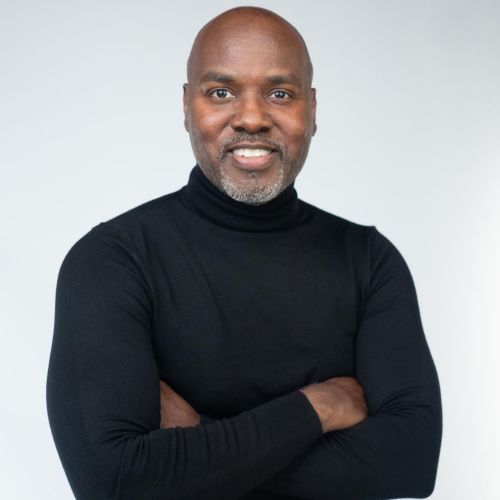
AASA mentors help district leaders see their own potential, navigate complex challenges and stay focused on what matters most for students. In this conversation with Greg Hutchings, a mentor of the AASA-Howard Urban Superintendents Academy, you’ll read why mentorship is essential for today's urban education leaders and how the right guidance can transform both careers and communities.
From your perspective, what are the qualities that make a good mentor?
From my perspective, a good mentor leads with vision, integrity, and passion. A mentor must be clear about their purpose and values, and consistently model those values in how they show up, make decisions, and engage others. Vision matters because it helps mentees see what is possible beyond their current role or circumstance, while integrity ensures that guidance is grounded in honesty, trust, and accountability.
Equally important is authenticity. A good mentor shows up as their full self and creates space for others to do the same. This includes the ability to listen deeply, not just to respond, but to truly understand. Mentorship is not about prescribing answers; it is about asking thoughtful questions, honoring lived experiences, and meeting people where they are.
Vision matters because it helps mentees see what is possible beyond their current role or circumstance, while integrity ensures that guidance is grounded in honesty, trust, and accountability.
Finally, strong mentors intentionally leverage both lived experience and professional expertise as tools for growth. They recognize that lessons learned through real-world challenges carry just as much weight as formal knowledge. When mentors share their journeys, openly including missteps and moments of resilience, they normalize growth, build trust, and empower others to lead with confidence and clarity.
What is the most valuable piece of advice you have received from a mentor?
The most valuable advice I received came from my mentor, the late Dr. Billy K. Cannaday, Jr. He consistently reminded me to always keep young people first and to never lose sight of my purpose. He believed deeply that our work in education must be anchored in service and responsibility to those we are called to support.
He also shared a lesson that has stayed with me over the years: if you are no longer finding joy in your work and purpose, it may be a sign that your work in that space is done. That advice taught me the importance of reflection, alignment, and honesty with myself. It reinforced that purpose-driven work should not feel empty or performative, but life-giving and meaningful. I carry that wisdom with me as both a leader and a mentor, using it as a compass to stay grounded, centered, and faithful to my calling.
It reinforced that purpose-driven work should not feel empty or performative, but life-giving and meaningful.
The educational landscape is changing rapidly — politically, culturally, and technologically. What does effective superintendent leadership look like in this moment?
Effective superintendent leadership in this moment requires authenticity, courage, and clarity of purpose. Superintendents must be willing to advocate unapologetically for young people and their futures, even when that advocacy is uncomfortable or politically challenging. These are tough times, and leadership cannot be passive. It demands the courage to speak up, make principled decisions, and remain steadfast in the face of resistance.
At the same time, effective leadership requires political savvy. Superintendents must understand the political landscape, navigate competing interests, and build coalitions without compromising their values. This is not about avoiding conflict, but about leading strategically — knowing when to push, when to listen, and how to move systems forward while maintaining trust and credibility.
Ultimately, strong superintendent leadership is anchored in vision, integrity, and passion. Vision keeps the focus on long-term outcomes for students, integrity builds trust during moments of uncertainty, and passion fuels the perseverance needed to overcome adversity. In this moment, our young people need leaders who are bold, grounded, and deeply committed to creating conditions where every student can thrive.
Having a mentor who creates space for openness and truth has allowed me to show up as my full self — without pretense or performance. That kind of relationship challenges me, affirms me, and helps me grow in ways I could not on my own.
How has mentoring changed the way you think about your own leadership?
Mentorship has reshaped the way I understand my own leadership by reminding me that it truly takes a village. Leadership is not meant to be carried alone, and mentoring helped me see the importance of surrounding myself with trusted people who understand my lived experience and can be both honest and supportive.
Having a mentor who creates space for openness and truth has allowed me to show up as my full self — without pretense or performance. That kind of relationship challenges me, affirms me, and helps me grow in ways I could not on my own. Mentorship has taught me that strong leadership is not about having all the answers, but about being grounded enough to listen, reflect, and evolve so that I can be my best self in service of others.