
Measuring What Matters
October 01, 2026
How Smart Business Partnerships Expand Learning and Promote Belonging
Superintendents rarely question the value of business partnerships. The challenge is execution.
Most school district leaders recognize that partnerships matter for career readiness, instructional relevance and community trust — but many hesitate to move forward. Some worry that the strongest opportunities belong only to large urban systems with marquee employers. Others are unsure how to move beyond one-off activities such as career days or sponsorships toward something more durable and coherent.
This uncertainty is one of the biggest obstacles to advancing Principle 4 of the Public Education Promise: Build Highly Engaged Family, Community and Business Partnerships. Yet across districts of every size, superintendents are demonstrating that impactful partnerships are less about scale and branding and more about focus, alignment and leadership intent.
When approached strategically, partnerships do more than expose students to careers. They anchor learning in local context, strengthen family engagement and help students see futures that feel both relevant and attainable. The most effective efforts begin not with sponsorships, but with shared goals and shared work.
This Content is Exclusive to Members
AASA Member? Login to Access the Full Resource
Not a Member? Join Now | Learn More About Membership


An Action Framework for Public Education
AASA’s Public Education Promise for ensuring every child receives a future-ready education consists of five guiding principles. School Administrator magazine will feature each one during 2026. This is our fourth article in the series. For additional insight, listen to the AASA Radio podcast on PEP’s fifth principle.
Principle 1: Prioritize Student-Centered Learning
Principle 2: The New Basics: Real Skills for Real Life
Principle 3: Attract, Hire, Retain and Reward the Best People
Principle 4: Build Highly Engaged Family, Community and Business Partnerships
Principle 5: Measure What Matters
Medina’s Top Stone: Prepping Students to Do, Not Just Know
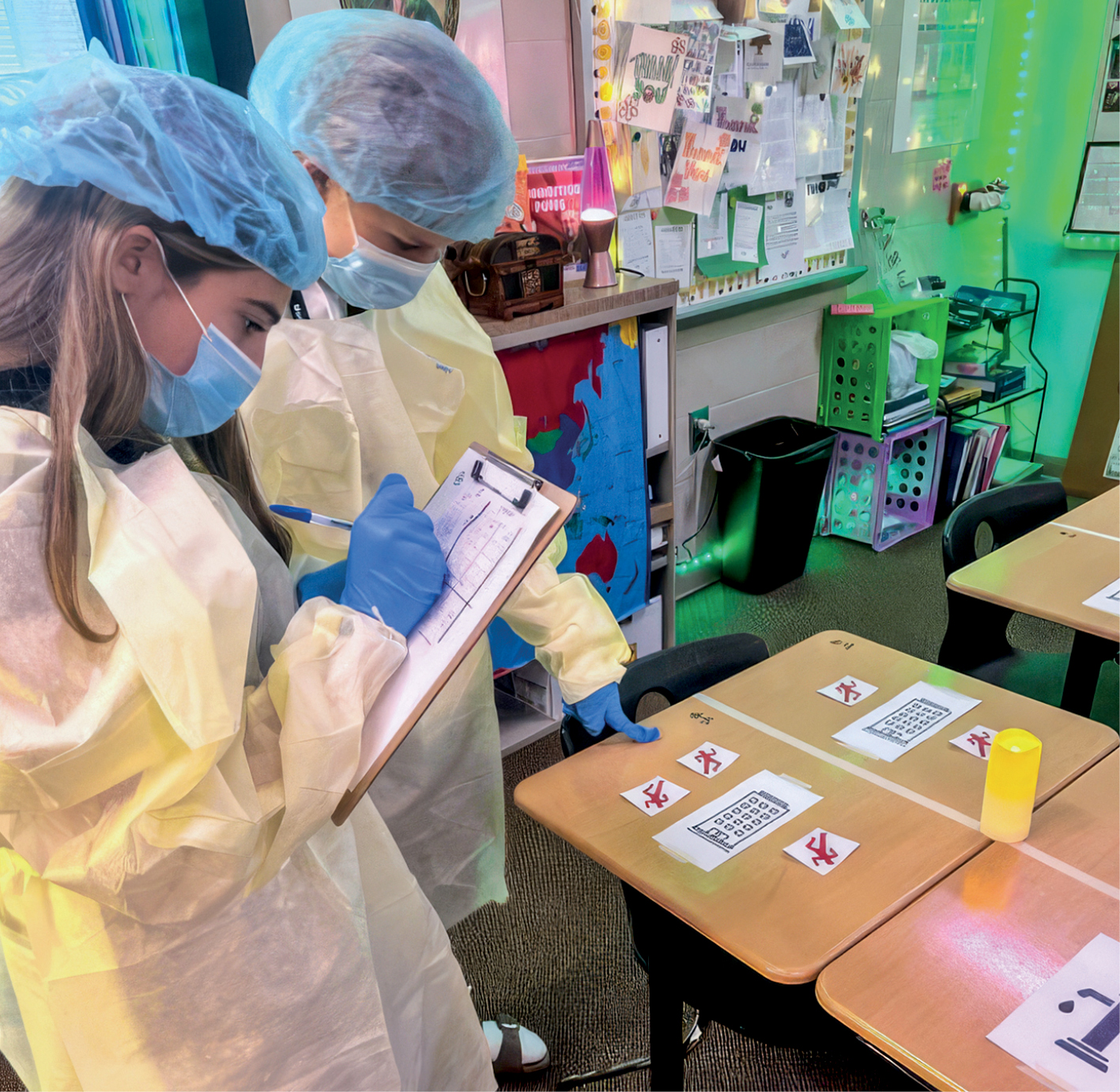
In Medina, Ohio, the North Star for student success is not a test score. It is the Portrait of a Bee, a community-created framework that defines what it means to graduate prepared.
But for the 5,800-student Medina City Schools, defining these competencies was only the beginning. The deeper shift came in how they are measured. Rather than relying solely on tests and grades, the district built a coherent system of capstone experiences that ask students to demonstrate learning through public evidence, reflection and real-world application.
In architectural terms, a capstone is the top stone, the piece that holds the structure together. In Medina’s schools, it has become the highest point of assessment and a visible sign of what the community values most.
5th-Grade Pivots
In 5th grade, students explore a central question: How can I use my strengths to collaboratively solve problems in a career world? This work is grounded in authentic experiences. Students engage with community partners, conduct interviews and design solutions that respond to real needs. In one recent cycle, 420 students worked alongside 110 partners, turning career exploration into collaborative problem solving.
The impact extends beyond the classroom. As one community partner noted, “I can’t tell you how proud I am to have been a part of this amazing project. … It’s amazing how young minds can see things differently.”
Students felt that shift, too. One reflected, “The most important part that I learned is being an innovative problem solver, and that I need to work on collaborating.” For another, the work opened a pathway for the future: “This project inspired me to be a nurse that works with children.”
8th-Grade Resilience
By middle school, the focus shifts inward. The 8th-grade capstone, embedded in the English language arts curriculum, asks students to examine who they are and how they persevere through challenges. This emphasis reflects a broader shift aligned with what young people need to grow and thrive during the middle school years. Skills like self-reflection and self-regulation are not extras. They must be intentionally taught, practiced and nurtured.
In this capstone, students connect their interests to larger purposes and engage in cycles of feedback, revision and reflection. One student shared, “This project showed me that being a responsible decision maker is not about always being right, but about being thoughtful, aware and willing to grow from every experience.”
Another 8th grader highlighted the power of feedback, saying, “I also learned to accept constructive criticism and adjust my writing to better meet the needs of others.”
Seniors Emerging
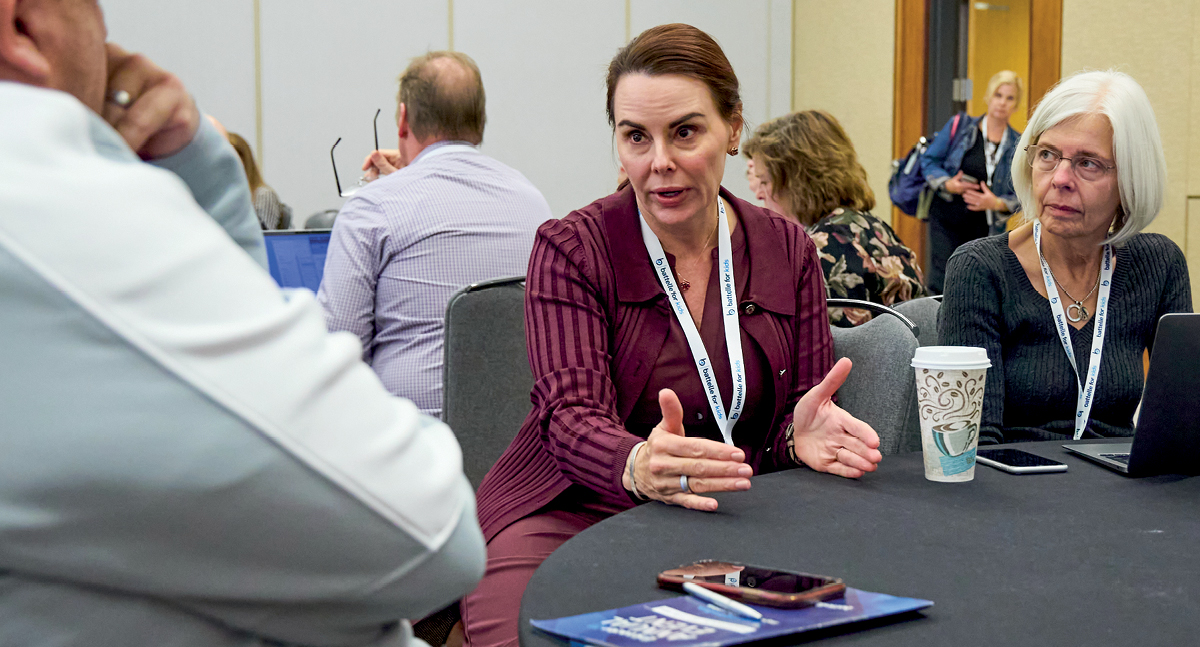
The senior capstone represents the culmination of this progression. Students identify community needs, design projects and work with mentors to bring their ideas to life. Whether organizing community efforts, launching student-led initiatives or producing original work, students are expected to demonstrate their learning publicly.
One group led a 100-lb. cleanup of a local park. Another produced a sports documentary titled “Beyond the Game.” These experiences require persistence and adaptability. As one student reflected, “We had to change that plan, which was disappointing but necessary. … I learned that being flexible and willing to adjust is key.”
Another senior put it more simply: “These principles aren’t just points to be successful when creating projects, but in life.”
Coherence at Center
Across all three experiences, Medina’s approach builds coherence. Capstones are not isolated projects. They are part of a system that makes learning visible over time, from elementary school through graduation. The district is now working toward cornerstone assessments at every grade level to create an even clearer progression of these skills.
This reflects a larger shift I see happening in our work with districts nationwide. If we believe that critical thinking, collaboration and communication matter, then we must make those skills visible and measurable.
In Medina, that visibility is public. Students present, reflect and engage with authentic audiences. Assessment is no longer a private score but a shared demonstration of growth. And in that shift, the definition of success becomes not just what students know, but what they can do, create and contribute.
— Shannon King
Advertisement
Advertisement



Advertisement
Advertisement