The Superintendent's Voice: Lobbying on Capitol Hill for Our Kids
July 18, 2025
Author


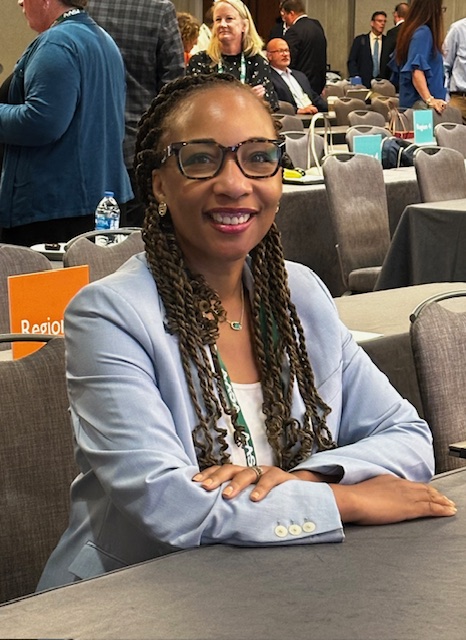
As a new member of the AASA governing board, I had the privilege of attending the AASA Legislative Conference in Washington D.C. from July 8-10, 2025.
This experience, joining superintendents from across the country, was incredibly insightful, offering three days of intensive education, panel discussions, and briefings on policies shaping K-12 education.
It was also a sobering reminder that we're at a pivotal moment, with federal education policies and funding models actively being rewritten and redesigned.
After three days of engaging discussions on topics ranging from revisions to Medicaid, recent Supreme Court decisions impacting education, and the details of President Trump’s new bill, the critical need for us to mobilize, engage with our elected officials, and advocate fiercely for our children became undeniably clear.
Here are some key strategies I believe superintendents can use to effectively lobby Congress:
Be Prepared and Know Your Numbers
When you meet with a Member of Congress or their staff, time is of the essence—you might only have 15 minutes. Make every second count by having a few key talking points ready. Most importantly, know your numbers. Be prepared to share specific figures: how much funding your district receives for particular programs, and how many students directly benefit. The more clearly you can articulate the impact of these policies, the better equipped they'll be to advance your position.
Tell the Story Behind the Numbers
While data is crucial, connecting it to human experiences makes it resonate. During my meetings, I discussed the impact of the current freeze on Title III funds. I shared the story of a recent graduate, an English language learner, who thrived in our schools and graduated at the top of her class, ultimately earning a full scholarship to a prestigious university. Her success was a direct result of the supplemental and instructional supports she received through Title III funds. These personal stories illustrate the real-world impact of policies on individual students and communities.
Walk on Both Sides of the Aisle
As superintendents, we serve diverse communities with a wide range of beliefs and political affiliations. It's essential to build relationships with elected officials from both parties. Take every opportunity to meet with representatives from across the political spectrum. Fostering bipartisan connections will strengthen your advocacy efforts and demonstrate your commitment to all students.
Lead with Grace and Gratitude
Building lasting relationships with elected officials requires maintaining a respectful and professional dialogue, even when you don’t see eye to eye. Approach every interaction with tact and express gratitude for their time and willingness to hear from you. A positive and collaborative approach will open doors for future conversations.
Remember, It's a Marathon, Not a Sprint
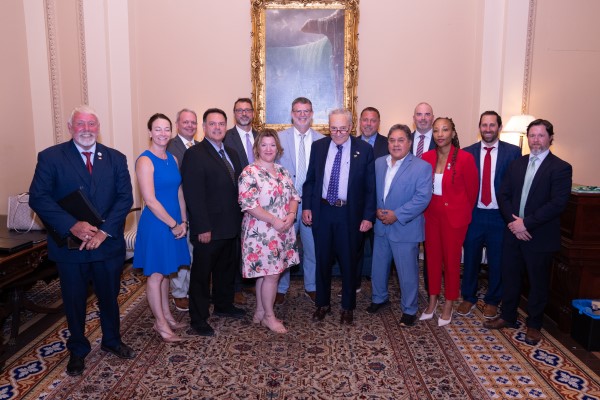
Meeting with your elected official is a great start, but the real work of advocacy continues afterward. Follow up with a thank you letter, restate your key talking points, and invite them to visit your district to see the impact of their decisions firsthand. Keeping these connections warm is crucial for long-term impact. Don't let the conversation end with the meeting; keep the dialogue going.
Visiting our nation's capital serves as a powerful reminder that it is a privilege to serve our nation's children. It also affirms our profound responsibility to stand up for the rights of all students and to lead with hope and action.
Let’s recommit ourselves to advocating for our students all year long.
Subscribe to AASA's Blogs
Subscribe via RSS feed below. Learn more about RSS feeds here.