Strategic Allies, Stronger Minds: AASA on the Ground
June 30, 2026
Author

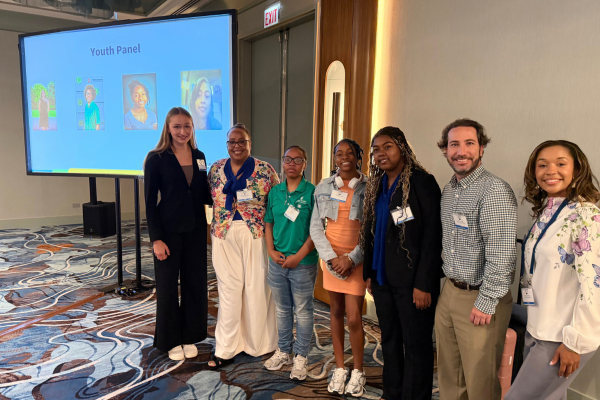
For four years, AASA staff have been on the ground in school districts across the country, listening directly to students and trusting what they tell us.
We've visited a dozen districts, from Palm Beach County to Reno and from Ann Arbor to rural Tennessee, and reached more than 512,000 students through those visits and our virtual mental wellness communities of practice.
Listening, Year by Year
What we found doesn’t fit into one tidy narrative.
Year one (2023) centered on the vaping epidemic, and what surprised our team most was the discovery that vaping wasn't really the root problem — loneliness was.
Students described a “pandemic gap” in their social development, the lingering effect of missing critical years of in-person connection during COVID. Nearly half told us they were more curious about the biology and mechanics of vaping than scared by traditional prevention messaging, and a striking number said they wanted support, not suspension. Just as significant was when that curiosity turns into action: findings pointed to fourth and fifth grade as the point when experimentation typically begins, years before most prevention efforts reach them.
Year two (2024) brought school avoidance into focus. Students who were staying home weren't disengaging — they were struggling, often with anxiety and other mental wellness concerns that made walking into school feel overwhelming. Together with questions about special education identification, the message was clear: students need more targeted support, and districts are stepping up to provide it.
By year three (2025), the conversation had shifted again, turning toward toxic dating cycles, ineffective cell phone policies, artificial intelligence, and immigration concerns. Of special note: 32% of the students we spoke to shared that school cell phone policies are ineffective in reducing conflicts.
Now, in year four (2026), we’re hearing about: rising self-harm behaviors, references to violence creeping into casual conversation, and students arriving in classrooms with significant, unmet developmental needs. But, on a positive note, we’re also seeing an increase in students participating in mentoring and mindfulness programs.
The Power of Relationships
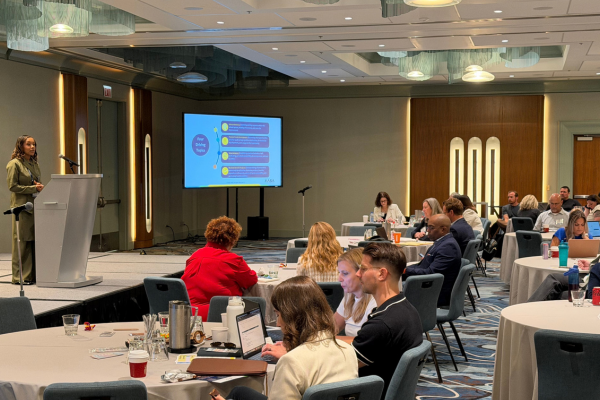
Threaded through every year is the same throughline: punitive discipline doesn’t change behavior. Relationships do.
Restorative approaches (mentorship, education, genuine dialogue) consistently outperform fines and suspensions. And increasingly, the risks our students face are evolving faster than our policies can keep up: AI companions standing in for human connection, deepfake harassment, and youth gambling slipping in through Gaming (loot boxes, skins, sports betting, social casinos, e-sports, and unattended vending machines).
None of this is meant to be discouraging. It's a roadmap, and districts across the country are already showing what it looks like to follow it.
Districts across the country are already proving that community partnerships and mentorship models work.
In California, Alhambra Unified School District replaced suspension as the default response to vaping with educational and wellness-focused alternatives that treat substance use as a symptom of deeper needs like stress, peer pressure and gaps in coping skills. Through its PLUS (Peer Leaders Uniting Students) program, trained student leaders work to reduce the stigma around asking for help and connect struggling classmates with caring adults. Early monitoring shows that students who complete the district's alternative-to-suspension tracks are significantly less likely to have repeat vaping incidents than they were under purely punitive policies.
For youth mental well-being to be embedded into district culture, prevention, academics, family engagement, and community partnerships, it has to be seen as a shared, systemic responsibility.
Montgomery County Public Schools shows what's possible when partnerships scale. Student Well-Being Teams now operate in all 211 of its schools, and community-provided therapeutic services have grown from 10 schools in 2019 to 102 schools today.
And in Alabaster City Schools, a culture built around peer helper programs and a Break the Stigma campaign produced 61 mental health referrals initiated by students or their families, a sign that young people are learning it's safe to ask for help.
The common thread is connection over punishment, support that starts early and partners who help schools carry the load.
Youth are more than participants in learning; they are active partners. For youth mental well-being to be embedded into district culture, prevention, academics, family engagement, and community partnerships, it has to be seen as a shared, systemic responsibility.
Virtual Mental Wellness Collaborative
The data is clear: when we ask students what they actually need—and then act on it—outcomes improve. AASA is seeking three new districts to join our Virtual Mental Wellness Collaborative, a Community of Practice built around mental wellness, positive youth development, and preventing risky behaviors. The three new districts receive technical assistance, coaching, a stipend, and an in-person visit to interview students and behavioral health from our team in 2027.
Subscribe to AASA's Blogs
Subscribe via RSS feed below. Learn more about RSS feeds here.