Purposeful Play: Not Just for Early Childhood
May 06, 2026
Author
When we hear the word "play," many of us picture early childhood classrooms filled with blocks, imagination, and joyful exploration. But purposeful play is not something students should outgrow as they move from grade to grade. In fact, purposeful play should become even more important!
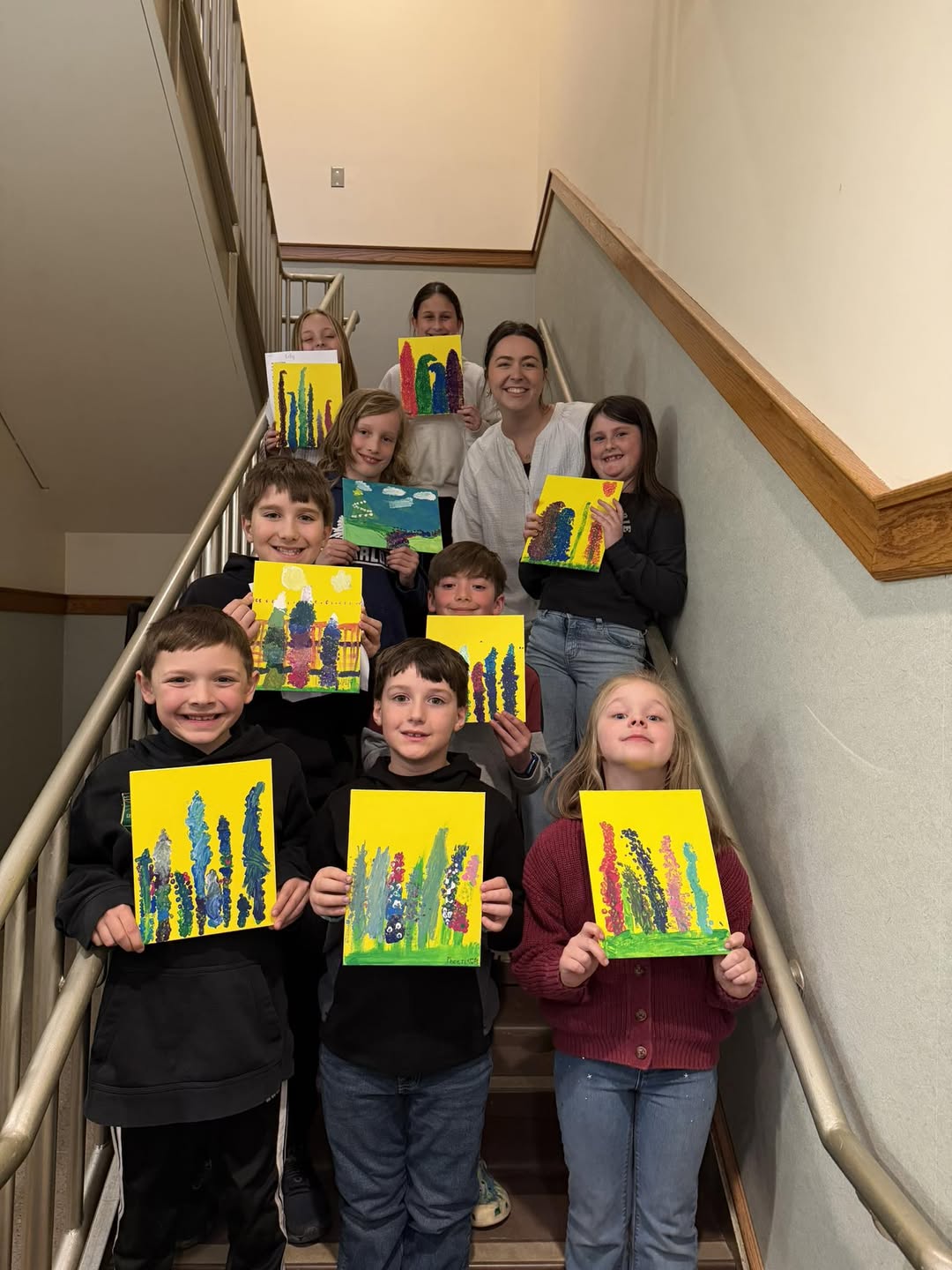
At its core, purposeful play engages students in meaningful, hands-on experiences that build critical thinking, collaboration, creativity, and problem-solving. These are the “durable skills”, the real skills for real life, that matter most for our students’ futures. Yet too often, these are the very skills we unintentionally sideline in the pursuit of test scores or short-term measures of success across our schools.
The Connection to “Real Skills for Real Life”
AASA's Public Education Promise challenges us to rethink success and focus on “the new basics”: critical thinking, collaboration, resilience, and self-management. These are the skills students need for a future that is constantly evolving.
Purposeful play is one of the most effective ways to develop these competencies. Through authentic, engaging experiences, students apply their learning in real time, working through challenges, collaborating with peers, adapting their thinking, and managing emotions. This is not “soft” learning. Purposeful play, when done right, is rigorous, relevant, and deeply aligned to what students need most.
What This Looks Like in Gorham
In Gorham, purposeful play is central to bringing our Portrait of a Graduate to life. Our work in expanding public Pre-K has provided powerful lessons that are now influencing classrooms well beyond early childhood.
This is not “soft” learning. Purposeful play, when done right, is rigorous, relevant, and deeply aligned to what students need most.
We are seeing this approach extend into Kindergarten through 2nd grade, where teachers are rethinking how learning happens. Rather than relying solely on core programs, educators are asking how to reintroduce creativity, curiosity, and joy into daily instruction. This includes more center-based learning, increased student choice, and opportunities for exploration that allow play to drive engagement, collaboration, and understanding.
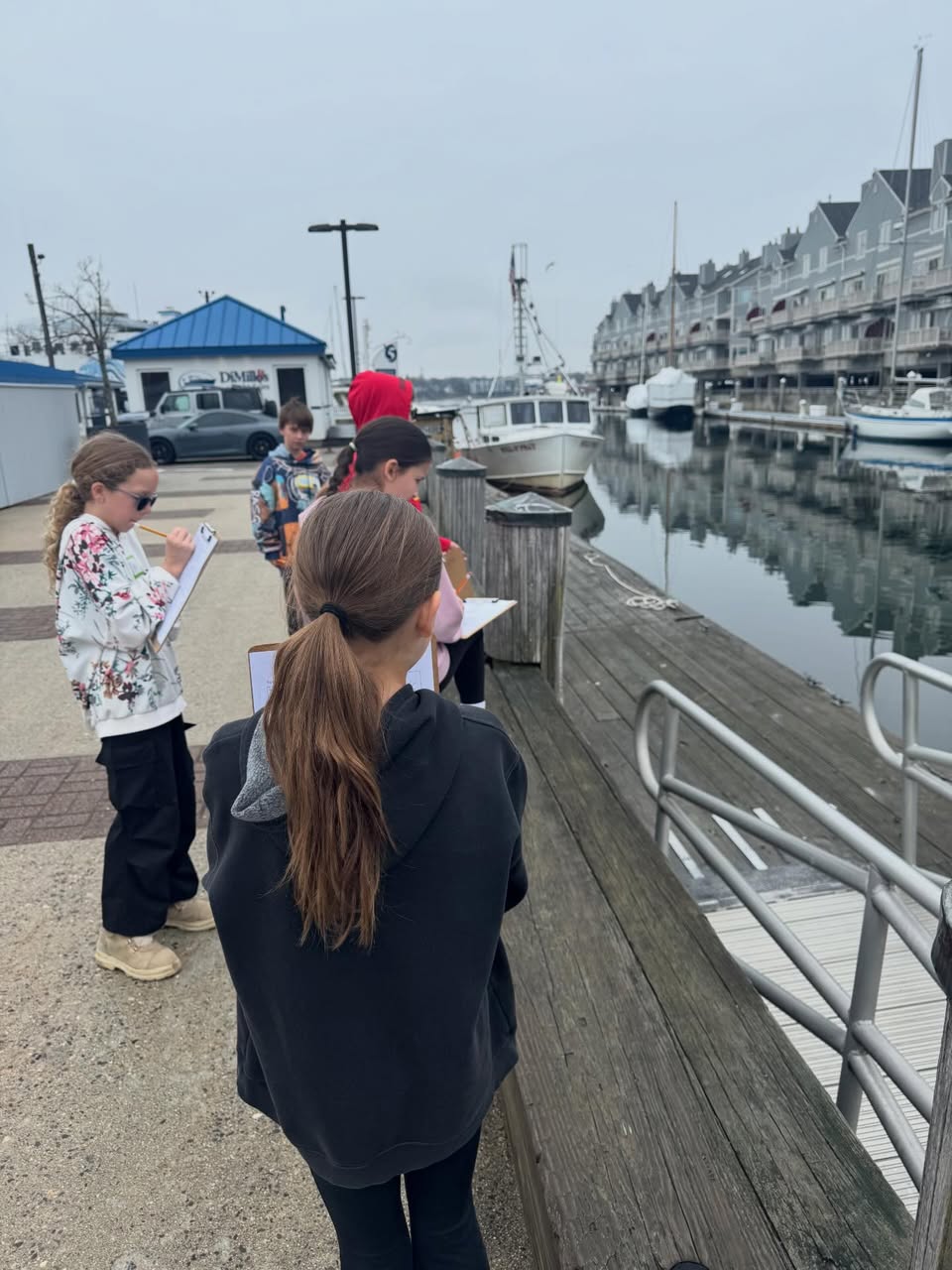
Across grade levels, purposeful play also shows up in collaborative problem-solving, hands-on STEAM experiences, and real-world learning through Aspire Gorham. These experiences sharpen students' thinking, build collaborative skills, and apply knowledge in meaningful ways.
More Than Engagement. It’s Preparation.
Purposeful play certainly increases engagement, but its impact goes far deeper. Purposeful play builds the habits and mindsets students carry with them long after they leave our classrooms.
As the AASA framework reminds us, success is not defined by test scores alone. It is defined by whether students are prepared to be thoughtful, capable, and engaged citizens in an ever-changing world. Purposeful play helps make that vision a reality.
Moving Forward Together
As we continue this work in Gorham, our commitment remains clear: to create learning experiences that are meaningful, relevant, and connected to the real world. Purposeful play is not an “extra”. It is a powerful pathway to ensuring our students develop the skills outlined in our Portrait of a Graduate.
If we truly want to prepare students for the future, we must be willing to rethink how learning looks and feels in our classrooms.
That means embracing curiosity, encouraging creativity, and making space for meaningful exploration at every grade level. Because when we give students the opportunity to learn through purposeful play, we are unlocking their potential in ways we have never done before. We are helping them discover who they are as learners, thinkers, and contributors. And in doing so, we are better preparing them for their successful futures.
Teach the skills that make learning last.
New! Real Skills for Real Life Certification Program
The Real Skills for Real Life Certification Program brings the Public Education Promise of "Real Skills for Real Life" to life. It will give you the research, tools, and language to build these skills intentionally — across every grade level, every classroom, within every educator, and in every conversation with your community.
Subscribe to AASA's Blogs
Subscribe via RSS feed below. Learn more about RSS feeds here.