Mentor Sessions: Q&A with Alex Marrero
July 25, 2025
Author
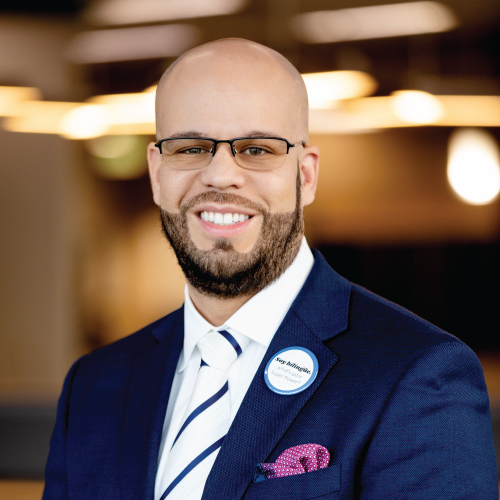
AASA mentors help district leaders see their own potential, navigate complex challenges and stay focused on what matters most for students. In this conversation with Alex Marrero, a mentor of the AASA-Howard Urban Superintendents Academy, you’ll read why mentorship is essential for today's urban education leaders and how the right guidance can transform both careers and communities.
From your perspective, what are the qualities that make a good mentor?
From my perspective, a good mentor leads with humility, empathy, and an unwavering commitment to equity. I’ve always believed that mentorship begins by listening first—by showing up not as someone with all the answers, but as someone willing to learn, grow, and walk alongside another person on their journey. In every role I’ve stepped into, I’ve carried that mindset with me, and it’s shaped how I support and develop others.
For me, mentorship is rooted in authentic relationships. It’s about earning trust, being present, and truly understanding the unique lived experiences of those we mentor. My upbringing instilled in me that a good mentor must be culturally responsive and deeply aware of the barriers that many face—not just in education, but in society at large.
Mentorship, at its core, is about lifting others as we climb—and doing so with purpose, heart, and a belief in what’s possible.
At the same time, I see mentorship as a call to action. It’s not just about inspiration—it’s about impact. A good mentor helps others see their potential, challenges their limits, and achieves meaningful goals. Whether it’s offering guidance, opening doors, or just being a steady presence, I strive to create the kind of support system I wish I had at every stage of my own journey. Mentorship, at its core, is about lifting others as we climb—and doing so with purpose, heart, and a belief in what’s possible.
Why do you think it's important to have a mentor early in your career?
Having a mentor early in your career is essential because it provides more than just guidance—it offers grounding. When you're just starting out, you're navigating unfamiliar systems, learning how to lead, and discovering your own voice. A mentor helps you avoid costly mistakes, but more importantly, they help you see what’s possible. They remind you that you're not alone, that your perspective matters, and that growth often comes from discomfort.
In my own journey, I’ve been fortunate to have mentors who challenged me, believed in me, and gave me permission to lead authentically. That kind of support early on builds confidence and clarity. It helps you develop a strong sense of purpose before the pressures of leadership begin to chip away at it. A good mentor doesn’t just prepare you for the next step—they help you envision a future you might not have dared to imagine on your own.
What does effective leadership look like in today's urban districts? And, from your perspective and experience, how have the demands and complexities of the role shifted over recent years?
Effective leadership in today’s urban districts requires courage, clarity, and deep community connection. It means being unapologetically student-centered while navigating political, social, and financial pressures that often compete with what's best for kids. In urban systems, where inequities are most visible and stakes are highest, effective leaders must be equity warriors—able to inspire change, hold systems accountable, and uplift the voices of those who have historically been silenced.
We are being called to lead in unprecedented times—with fewer resources and greater expectations. Yet in that challenge lies opportunity. Urban leaders today must be visionary yet grounded, bold yet collaborative, and above all, unshakably committed to the communities they serve.
From my perspective, the demands and complexities of this role have intensified in recent years. Superintendents are no longer seen as purely instructional leaders—they are now expected to be public health experts, political navigators, crisis managers, and social justice advocates. The job has become more public, more scrutinized, and more polarized. But it has also become more urgent.
We are being called to lead in unprecedented times—with fewer resources and greater expectations. Yet in that challenge lies opportunity. Urban leaders today must be visionary yet grounded, bold yet collaborative, and above all, unshakably committed to the communities they serve. We can no longer afford leadership that plays it safe. Effective leadership now demands truth-telling, action-taking, and a relentless belief in what our students deserve.
What is the most valuable piece of advice you have received from a mentor?
The most valuable piece of advice I’ve received from a mentor was this: “Don’t be so afraid to lose your job that you don’t do your job.” That single sentence has stayed with me throughout my leadership journey. It’s a reminder that integrity must always guide our actions—especially when the stakes are high and the politics are intense.
As a superintendent leading in complex, often polarized environments, I’ve had to make tough decisions that weren’t always popular but were necessary for the well-being of students and the integrity of the system. This advice gave me the courage to lead boldly, even when doing so came with risks. It reminded me that real leadership isn’t about playing it safe—it’s about doing what’s right, even when it’s hard. That’s the kind of leader I strive to be every day: principled, student-centered, and unafraid to stand firm when it matters most.
...integrity must always guide our actions—especially when the stakes are high and the politics are intense.