Don’t Just Reflect—Report: Building a Culture of Visible Growth
January 20, 2026
Author
Every January, leaders across the country set new goals and brace for the push that comes with the second half of the school year. It’s a season filled with fresh energy, yes—but also the weight of midyear assessments, strategic planning, and the pressure to finish strong. For many school and district leaders, this stretch can feel both urgent and overwhelming.
That’s exactly why, in Ferndale Public Schools, we’ve built a ritual around collective pause and reflection. Three times each year, our building leaders present Triennial Updates to our Board of Education and wider community. These aren’t compliance reports or slide-heavy presentations designed to impress. They’re reflective check-ins—an opportunity for each principal to share progress, challenges, and current thinking about how their school is living out our REACH goals.
These updates are public. They’re intentional. And they’ve become one of our most powerful leadership development practices.
Why It Works
When one leader reflects openly, it invites others to do the same. Vulnerability becomes a norm, not a risk.
Public reflection creates accountability. When leaders know they’ll be sharing their thinking in front of peers and stakeholders, they prepare differently. They pause. They assess. They take ownership of the story they’re telling—not just about their school, but about their leadership journey.
It builds a culture of learning. When one leader reflects openly, it invites others to do the same. Vulnerability becomes a norm, not a risk. In Ferndale, these updates have created a cross-pollination of ideas and strategies that strengthens our leadership bench.
It reconnects us with our purpose. Especially in the fog of midyear stress, reflection helps us remember why we lead. Not for compliance, not for optics—but to create real change for kids.
Want to Try It? Start Here.
If you’re a superintendent, central office leader, or principal looking to implement a similar structure in your district, here are a few practical steps to get started:
- Set a clear purpose. Explain to your leaders that this is not about perfection. It’s about learning in public. Frame it as a leadership development opportunity, not a performance evaluation.
- Create a consistent schedule. We do ours three times a year: Fall, Winter, and Spring. Align them with key milestones in your strategic plan or school improvement cycle.
- Provide guiding questions. Help leaders focus their updates. In Ferndale, our prompts ask about progress on key goals, bright spots, barriers, and how their leadership is evolving.
- Make it communal. Invite central office staff, other principals, and Board members to attend and engage. The goal is to make reflection a shared experience, not a siloed one.
- Normalize vulnerability. Model it yourself. Celebrate honest reflection, not just polished presentations.
- Follow up. Use what you learn to offer coaching, resources, or cross-campus collaboration. These updates shouldn’t end with applause—they should spark action.
A Call to Reflect—Out Loud
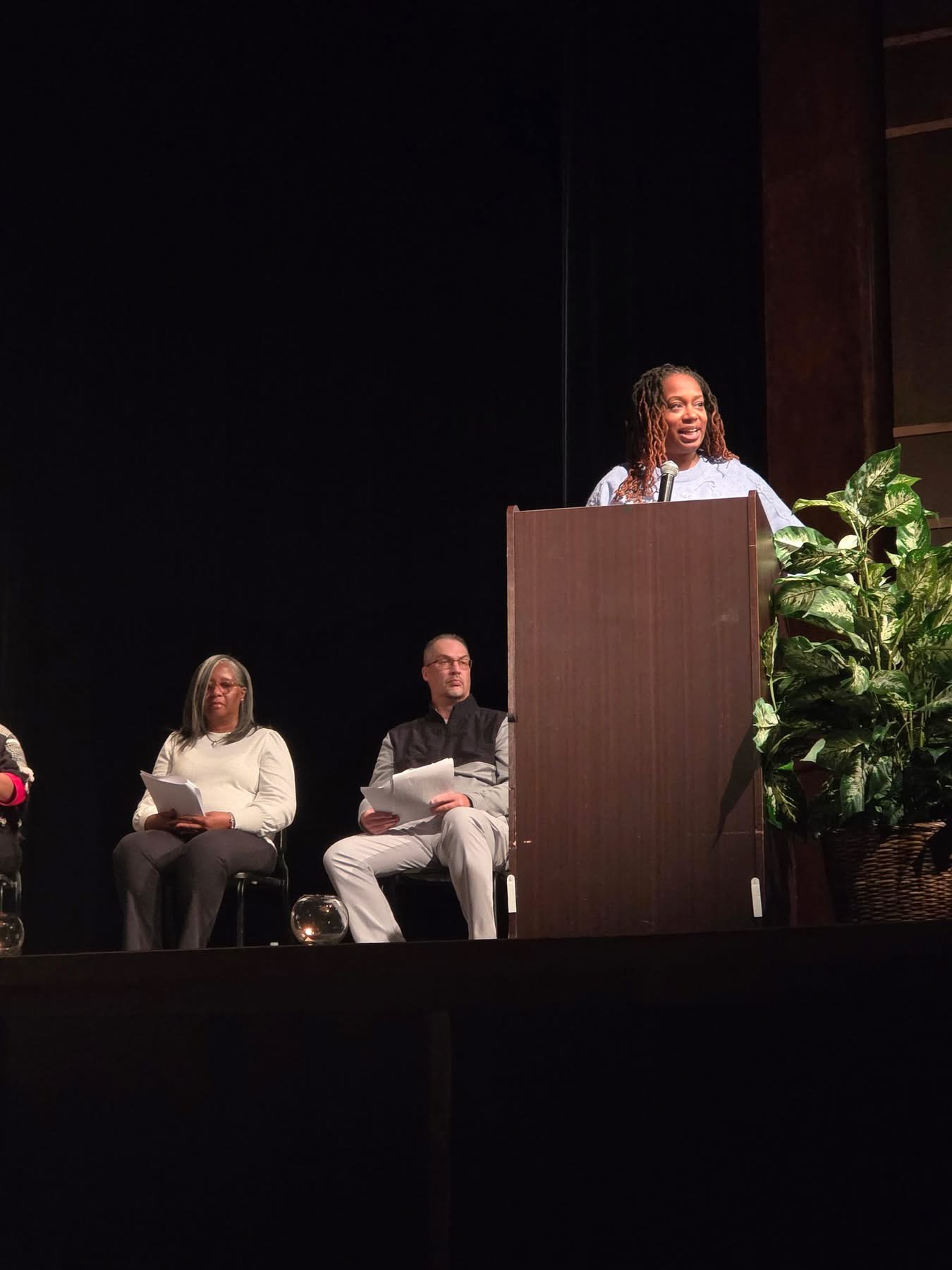
We often talk about creating “safe spaces” for feedback and reflection. But the truth is, real leadership growth happens when we’re willing to reflect with the lights on. When we invite others in. When we say, “Here’s what I’m learning”—and mean it.
So as you move through January, don’t just charge ahead. Pause. Reflect. And consider what it might mean to do that out loud.
Because sometimes, the most transformational growth doesn’t happen in silence. It happens three times a year, with a mic in your hand and your purpose on full display.