
The Leading Edge: Policy & Advocacy Blog
 The Leading Edge, AASA's policy & advocacy blog, provides up-to-date information about activities in Washington, D.C. and Capitol Hill that affect you and your school district.
Topics include new or proposed regulations and federal policies, federal funding updates and opportunities, advocacy resources and more.
Latest Posts
-

September 04, 2026
WEBINAR: Enhancing K-12 Behavioral Threat Assessment and Management Practices (September 17)Please join the Cybersecurity and Infrastructure Security Agency (CISA) School Safety Task Force for a virtual training on enhancing behavioral threat assessment and management (BTAM) practices in kindergarten through grade 12 (K-12) schools.
-
September 01, 2026
Update: FY2027 AppropriationsThe House has passed the Senate's continuing resolution to fund the government until Dec. 11. It will now go to the White House for the President's signature.
-

September 01, 2026
ED Proposes Revisions to Grant RegulationsThe U.S. Department of Education (ED) issued a notice of proposed rulemaking on August 24th that would make it easier for the agency to terminate or discontinue discretionary grants and further cement administration policies in regulations.
-

August 27, 2026
USED Releases Guidance on Ed Tech in Schools and Annual Update on FERPA and PPRATwo update on the blog: non-binding guidance on ed tech in schools and an update on privacy.
-

August 26, 2026
DHS Proposes New H1-B FeeThe Department of Homeland Security (DHS) has issued a proposed rule to implement a $103,265 fee for H-1B visa petitions. This move comes after a Federal court blocked the original fee that was announced in September 2025.
-

August 25, 2026
Administration Announces New Initiative to Support School MealsYesterday, the U.S. Department of Agriculture (USDA) and Department of Health and Human Services (HHS) announced the Harvest to Hallways Initiative to provide new investments and technical assistance for school meal programs.
-

August 20, 2026
Keep Schools Connected: Protect E-RateThe Federal Communications Commission (FCC) is taking a close look at the future of the E-Rate program—and the outcome could have significant implications for school districts and libraries across the country.
-

August 18, 2026
GUEST BLOG POST: Building & Sustaining Success: The GRAD Partnership Year Three Impact ResultsThis guest blog post was penned by Patricia Balana, Managing Director for GRAD Partnership.
-

August 18, 2026
ED Issues New Discipline GuidanceToday, ED published a new guidance document for superintendents that lays out the Department's interpretation of the legal standards governing the consideration of race in school discipline and how districts can ensure compliance with federal law.
-

August 14, 2026
AASA/CoSN Toolkit: Communicating the Value of Education TechnologyThis blog post is penned in coordination with Keith R. Kreuger, CEO, CoSN and is cross posted to the CoSN website.
-
August 12, 2026
NEW: CISA Releases New Cybersecurity Resources for K12 Schools and DistrictsToday, the Cybersecurity and Infrastructure Security Agency (CISA) released new cybersecurity resources to help schools strengthen their defenses.
-

August 07, 2026
HHS Releases Proposed Rule to Rewrite Head Start StandardsThe Department of Health and Human Services has released a proposed rule to amend the Head Start Program Performance Standards. The rule represents the most significant changes proposed in the program’s 61-year history.
-

August 05, 2026
Senate Commerce Committee Advances Kids’ Online Safety LegislationThe Senate Commerce Committee today held a hearing and markup on a series of bills related to student data and privacy. We sent a letter, in coordination with the Public Interest Privacy Center (PIPC), to the committee ahead of the hearing.
-
July 31, 2026
Senate HELP Committee Passes Several K-12 BillsOn July 30th, the Senate HELP committee held its first significant mark-up of K-12 bills this Congress. AASA sent a letter outlining its positions on the bills and amendments under consideration, which are summarized below.
-
July 30, 2026
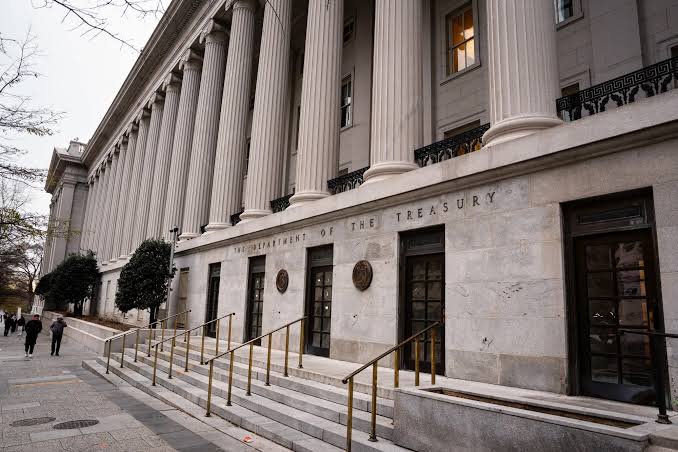
AASA Leads Letter to Treasury on FSTC Program ImplementationAs the U.S. Department of Treasury develops proposed regulations for the Federal Scholarship Tax Credit (FSTC) program, AASA led a coalition of prominent public education organizations in submitting recommendations designed to strengthen implementation and expand opportunities for public school students and school districts in opt-in states.


Latest Advocacy & Policy Resources
-
July 30, 2026
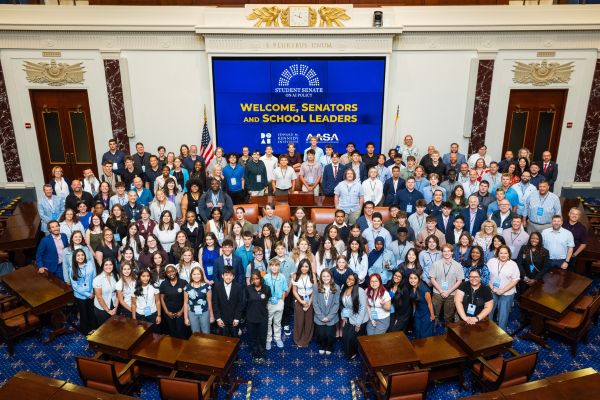
America's Youth AI Festival: A Student-Led AI PolicyType:Policy/Regulations Topics: Advocacy & Policy, Technology & AIAmerica's Youth AI Festival: students from across the country gathered in Boston to shape the nation's first student-led AI policy for schools. -
July 23, 2026
PEP Talk Episode 47: An E-Rate EmergencyType:Podcast Topics: Advocacy & Policy, Finance & Budgets, Technology & AIOn this episode of PEP Talk: Kat Sturdevant sits down with Noelle Ellerson Ng, Chief Advocacy & Governance Officer about serious concerns for the future of the E-Rate program, and what that means for districts. -
June 30, 2026
PEP Talk Episode 46: The Budgetary Impact of Health Care Costs on School DistrictsType:Podcast Topics: Advocacy & Policy, District & School Operations, Finance & Budgets, Health & Wellnessn this episode of PEP Talk: Kat Sturdevant explores the findings of a new report, "Rising Premiums, Falling Opportunities: The Budgetary Impact of Health Care Costs on School Districts," with Sasha Pudelski, AASA and Elleka Yost, ASBO International.
Receive legislative and regulatory actions direct to your inbox
Stay updated on the issues that matter most to you and understand how they could affect you, your district, your students and your community.